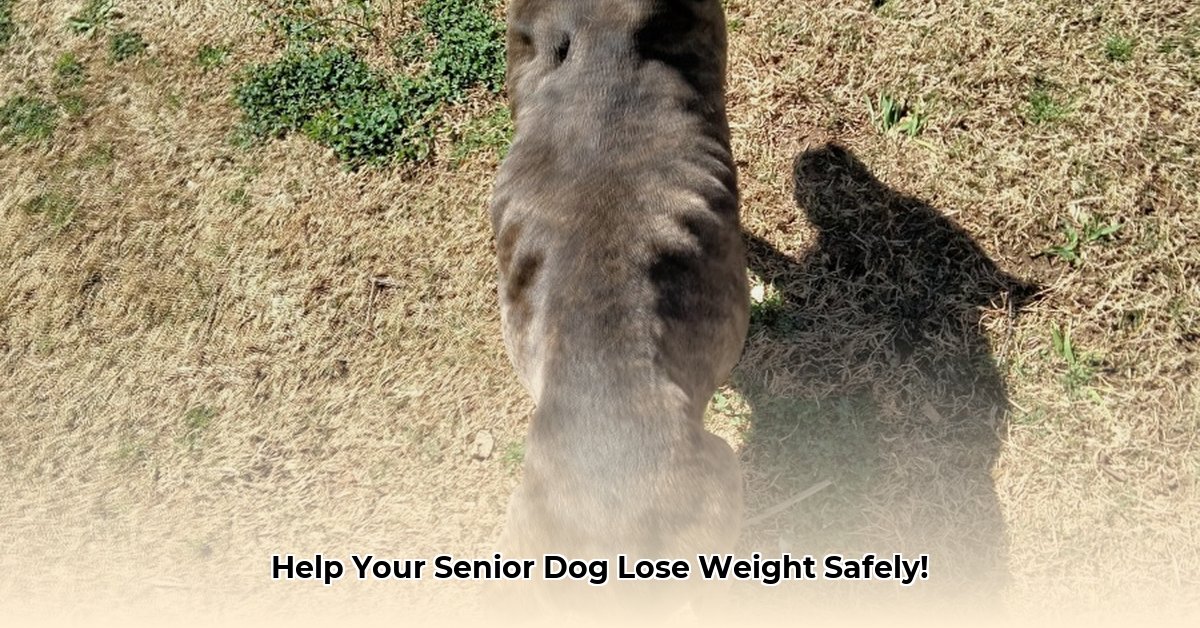
Seeing your senior dog lose weight can be heartbreaking. It's often a sign of an underlying health issue requiring prompt attention. This guide provides actionable steps to help your furry friend regain a healthy weight.
Understanding Senior Dog Weight Loss
Weight loss in older dogs isn't always obvious. You might notice decreased energy, a less enthusiastic approach to mealtimes, or subtle changes in their body shape. Several factors can contribute:
- Age-related metabolic changes: As dogs age, their metabolism slows, affecting how efficiently they process food. (Think of it like our own metabolism slowing as we get older.)
- Dental problems: Sore teeth or gum disease can make eating painful, reducing food intake and leading to weight loss. (This is especially common in older dogs.)
- Underlying illnesses: Conditions like kidney disease, cancer, or hyperthyroidism can cause significant weight loss and require immediate veterinary attention. (These conditions often present with other symptoms as well.)
- Decreased appetite: Sometimes, appetite simply diminishes with age, leading to unintentional weight loss. (This can happen gradually and might be easily missed.)
Spotting the Signs: Is My Dog Losing Weight?
Regular weighing is crucial. Use a pet scale for accurate measurements. A weight loss of 10% or more warrants immediate veterinary attention. Other visual cues include:
- Visible ribs: If you can easily feel your dog's ribs without pressing hard, it indicates weight loss.
- Prominent hip bones: More prominent hip bones than usual are another warning sign.
- Muscle loss: A decrease in muscle tone makes your dog appear thinner and weaker.
- Behavioral changes: Decreased energy, lethargy, and changes in playfulness are important warning signs.
The Crucial Role of Veterinary Care
Don't delay a vet visit if you suspect weight loss. A veterinarian is essential for diagnosis. They'll perform a physical exam, assess dental health, and ask about your dog's eating habits. Blood work, urinalysis, and X-rays might be necessary to identify underlying issues. Early intervention is key. "A timely diagnosis is critical for successful treatment," explains Dr. Emily Carter, DVM, from the American Animal Hospital Association.
Dietary Adjustments: Fueling Your Senior Dog
Once underlying health issues are addressed, dietary adjustments are often crucial. Your vet will guide you on appropriate changes:
- High-calorie senior food: Specialized foods provide necessary nutrients in an easily digestible form. (These foods are formulated to meet the unique needs of senior dogs.)
- Increased portion sizes: Your vet will calculate the correct portion size to ensure sufficient calorie intake. (This must be done carefully to avoid overfeeding.)
- Nutritional supplements: Supplements can boost calorie intake and provide additional nutrients. (Only use supplements recommended by your veterinarian.)
- Texture adjustments: Softer or wet food might be needed if your dog has dental issues. (This often makes eating less painful.)
Lifestyle Changes: Gentle Exercise and Stress Reduction
Gentle exercise and stress reduction are vital. Remember to adapt activities to your dog's age and health:
- Gentle walks: Short, leisurely walks maintain muscle mass and fitness. (Avoid overexertion.)
- Playtime: Keep playtime light and fun, avoiding strenuous activities. (Choose activities tailored to your dog’s capabilities.)
- Stress reduction: Create a calm environment to reduce stress that can negatively impact appetite. (Minimize stressful situations as much as possible.)
Monitoring Progress and Ongoing Care
Regularly weigh your dog (weekly or monthly) and note changes in energy levels, appetite, and behavior. Regular vet visits are essential to monitor progress and adjust the treatment plan as needed. "Consistent monitoring and adjustments are key to success," advises Dr. Michael Davis, DVM, from the Veterinary Information Network. Remember, it’s a journey, not a race.
Common Concerns and Potential Solutions
| Concern | Potential Cause(s) | Possible Solutions |
|---|---|---|
| Weight Loss | Age-related metabolic changes, dental problems, underlying illness | Veterinary examination, dietary adjustments, lifestyle changes |
| Decreased Appetite | Dental pain, illness, medication side effects | Vet consultation, dietary adjustments (soft food, supplements), pain management |
| Increased Thirst | Kidney disease, diabetes | Vet examination, blood work, medication |
| Lethargy | Illness, pain, aging | Vet examination, pain management, supportive care |
Remember, early intervention improves your senior dog's quality of life. Contact your veterinarian with any concerns. They are your partners in providing optimal care. Proactive care ensures your furry friend enjoys their senior years comfortably and happily.